A welcoming exterior hardly ever originates from illumination alone. It comes from restraint, heat, and positioning. The homes that really feel most inviting at sunset are normally not the ones saturated in chilly white light or laid out so strongly that every roofline screams for focus. They are the ones that glow. The patio looks risk-free without really feeling medical. The eaves carry a gentle halo. Walkways are easy to navigate, however the landscape design still keeps its shadows and depth.
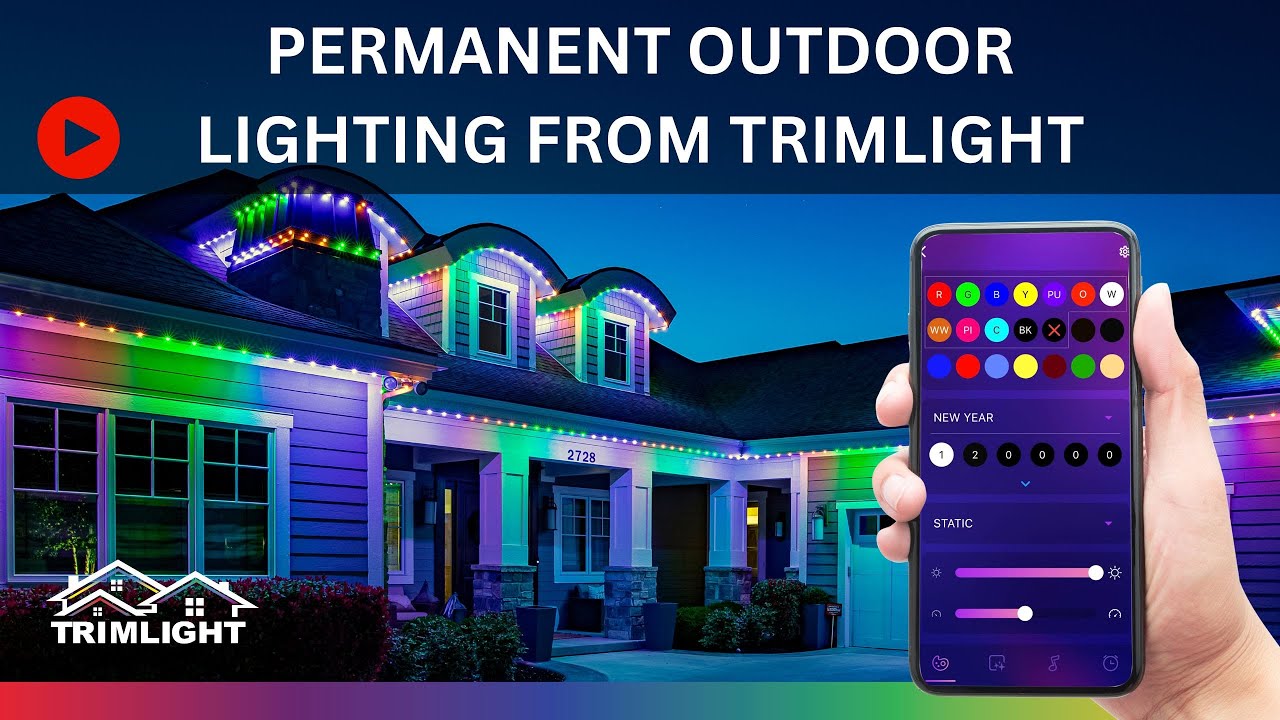
That effect is exactly why more house owners are requesting Classic Warm Soft Lights in long-term systems rather than dealing with outside illumination as a short-lived vacation job or a patchwork of different components. A tactical Permanent LED Lighting Installment can provide a home a refined, comfortable appearance all year, and it can still pivot right into joyful displays when the season requires it. Done right, Irreversible Vacation Lights do not have to look flashy or business. They can look timeless.
The secret is recognizing that cozy is a style choice, not a product tag. You can get premium parts and still wind up with a harsh result if the color temperature is as well great, the spacing is incorrect, or the brightness is set far over what your house in fact requires. On the other hand, a thoughtfully made system with warm outcome and discreet equipment can make even a small front elevation feel richer and extra resolved after dark.
The distinction between bright and inviting
A typical mistake in exterior lights is presuming exposure and comfort coincide point. They are not. Illumination aids individuals see. Heat helps individuals feel at ease. Houses need both, yet they rarely need optimum output.
Think concerning a dining establishment patio area on an awesome night. The locations people intend to linger are generally lit with amber-toned sconces, candlelight, and soft overhead string lights. Nobody says, "This feels comfy because I can see every surface like I'm in a grocery store parking area." Residential exteriors work the same way. The objective is not to remove nighttime. The goal is to shape it.
Classic Warm Soft Lights tend to land in the shade variety that flatters natural products. Brick looks richer. Cedar and stained wood stop looking grey. Lotion home siding appears creamy instead of plain. Stone acquires appearance. Also evergreens and structure hedges find out more normally under warmer light than they do under icy blue-white LEDs.
There is additionally a sensible side. Excessively great outside illumination can create even more glare, specifically on damp pavement, glossy trim, metal rain gutters, and home windows. That glare makes a home appearance harder, not softer. It can additionally make the front access much less comfy for guests approaching from the street, due to the fact that the eye keeps changing in between bright factors and dark gaps.
Why irreversible lighting has actually relocated past holiday décor
A years earlier, several homeowners connected irreversible roofline lighting with something: getting rid of the yearly trouble of climbing up ladders to hang vacation strands. That is still a significant reason people buy Permanent Vacation Lights, and it is a great one. But the classification has matured.

Today's systems can be subtle enough to go away versus the architecture throughout the day and adaptable adequate to sustain low-output daily scenes at night. That means the same setup can take care of a silent amber-white radiance in October, a typical holiday scheme in December, team shades during a playoff run, and a soft spring establishing for yard dinners. The system enters into the home as opposed to a once-a-year accessory.
This issues for visual charm. Momentary strands often sag, move, or rest noticeably pleased with the fascia. Extension cables locate the closest outlet whether or not it is visually hassle-free. Clips damage. Sections fall short. By comparison, an expert Long-term LED Lights Setup is generally installed in a network or track developed to line up with soffits and roofing system edges. When the installer recognizes surface carpentry and sightlines, the fixtures can be almost unseen from the street in daylight.
That daytime invisibility is what separates a stylish irreversible configuration from one that resembles a business retrofit. The best jobs never ask the house to end up being a billboard. They support the architecture that is already there.
Warm easy work due to the fact that it respects the house
Every home has an aesthetic language. A colonial with dark shutters, a craftsman with subjected rafter tails, and a newer farmhouse with black home windows all respond in different ways to outside lighting. Still, one concept cross styles: cozy light often tends to complement instead of compete.
On conventional homes, cozy roofline lights can echo the radiance of old incandescent light bulbs without the maintenance migraines. On newer builds, it softens sharp lines and maintains white trim from sensation clean and sterile. On cabins, homes, and homes with timber or rock elements, warm result can make the whole façade really feel deeper and even more layered.
I have seen homeowners are reluctant since they think irreversible LEDs will look also contemporary for their architecture. Generally that fear originates from having seen inadequately programmed systems set to intense blue-white or rainbow patterns at complete intensity. That is not a flaw in irreversible LEDs themselves. It is a layout selection, and frequently not a great one for everyday use.
The much better strategy is to treat your daily lights scene virtually like a building finish. It must feel straightened with your home siding, trim, roof, and front-door color. If your house already has lantern-style patio fixtures in a warm tone, your permanent system ought to not battle them. It ought to support them.
Color temperature is where most relaxing outsides are won or lost
If there is one specification that is worthy of even more interest than any kind of other, it is color temperature. House owners typically focus on app functions, automation, and holiday presets initially. Those serve, however they do not develop atmosphere on their own. Ambience starts with the quality of the light.
For a comfortable outside, warmer settings typically exceed cooler ones. That does not mean every home must look orange. It indicates the light ought to bring sufficient heat to feel household, complementary, and calm.
Here is a sensible means to think about it:
- Around 2200K to 2700K normally provides the softest, most intimate radiance, particularly on patios, soffits, and enjoyable spaces. Around 2700K to 3000K usually functions well when property owners desire warmth with a bit extra clearness for entrances and pathways. Above 3500K can start to feel visibly cooler on the majority of homes, especially against stone, timber, and cozy paint colors. Daylight-toned settings, typically 5000K and above, are seldom the ideal selection for a relaxing daily exterior scene.
There are exemptions. An extremely modern home with crisp products and minimal landscape design could support a somewhat cooler white a lot more effectively than a brick cottage or cedar-sided home. Yet even after that, there is a difference between clean and chilly. A lot of homes take advantage of warmth.
Brightness matters equally as much. Despite having the correct color temperature level, too much strength can squash your home and spoil the state of mind. Several permanent systems allow lowering by area, which is where the actual skill takes place. Front gables might require only a portion of the outcome needed for a high second-story top. Reduced roofing areas near eye degree typically require less light than individuals expect.
Placement forms the experience greater than homeowners realize
A comfy outside does not originate from detailing every square inch of the home. It comes from picking where light needs to live. Several of the strongest long-term setups use careful focus instead of overall coverage.
The front-facing roofline is commonly the natural beginning point because it develops a gentle structure. From there, the best additions depend upon the residential property. A covered patio may gain from a low-output perimeter glow that sustains the major entrance. A garage elevation might require simply sufficient light to maintain your house stabilized from the road. A backyard outdoor patio may call for its very own scene that is softer and much more intimate than the front.
Depth is important. If all the light is focused on a single line at the roofing, the home can https://permanentledlighting019.bearsfanteamshop.com/what-to-know-before-purchasing-permanent-holiday-lighting look flat. Yet if that roofline radiance is supported by warm sconces, refined landscape accents, or under-eave lighting at various heights, the result really feels split and architectural.
One thing I suggest homeowners to avoid is attempting to solve every lighting requirement with one system. Permanent LEDs are superb for framework, seasonal versatility, and broad aesthetic effect. They are not constantly the best solution for every job. Step lights, porch components, and meticulously aimed landscape lights still belong. When each source of light has a role, the house really feels made up as opposed to over-lit.
The hardware matters, but the installer matters more
Not all Irreversible LED Illumination Installment work is equal. The item can be strong, weather-rated, and feature-rich, yet the ended up look will certainly still dissatisfy if the installer misses the visual details.
Good installers take note of the angle of forecast, the presence of the track from the curb, the shade match with soffits and trim, and the means edges terminate. They recognize water drainage, expansion, fastening techniques, and just how to route power discreetly. They additionally understand shows well enough to establish scenes that make sense for day-to-day living, not just for holidays.
A hurried work leaves ideas. You see uneven spacing. One edge appears brighter than the remainder. Cord runs ended up being visible near downspouts. The track rests reduced enough to capture your eye from across the street. These are not minor cosmetic problems. They establish whether the system really feels incorporated or tacked on.
When you meet an installer, a few certain concerns will tell you a whole lot:
- Where will the track being in relation to the fascia or soffit, and will it be visible from the road throughout the day? How do you manage edges, shifts, and power injection on longer runs? Can you reveal instances of cozy white everyday scenes rather than just vacation color displays? What control alternatives are readily available for dimming, zoning, and scheduling? How do you service fell short areas or parts if something goes wrong later?
The responses ought to be clear and particular. If the discussion stays at the level of "it'll look excellent" without talking about placing details, color control, or upkeep access, maintain asking.
Permanent holiday lights can still really feel classy in December
Some home owners fret that if they set up Irreversible Vacation Lighting for year-round use, they will certainly lose the beauty of conventional vacation designing. Typically the contrary takes place. Due to the fact that the infrastructure is already in position, they get even more control over the appearance and can keep it cleaner.
Warm white scenes are particularly reliable in the holiday season since they do not date rapidly. They couple well with wreaths, garlands, potted spruce, and natural appearances. A controlled roofline in warm white with a slightly brighter focus at the access commonly looks much more upscale than a multicolor screen running at full strength from every edge.
That does not mean shade has no place. It does. However shade is strongest when used purposefully. A classic red, green, and cozy white palette can really feel classic. Jewel tones can service bigger homes with longer setbacks. Soft brownish-yellow and sparkling wine tones look lovely against snow. The advantage of an irreversible system is that these scenes can be called in exactly rather than improvised with whatever strands are available in storage space bins.
One property owner I talked with after a recent setup placed it just: she liked that her residence might "whisper Christmas instead of yell it." That is the appeal for many people. They desire the simplicity and adaptability without sacrificing taste.
Matching warm lights to your home's materials
Material feedback is where expert judgment really enters into play. Cozy light behaves in different ways on repainted siding than it does on uneven stone or stained wood.
White homes can be deceptively tricky. Also amazing, and they look bluish. As well bright, and every shadow under the soffit becomes extreme. A soft warm setting generally keeps the exterior from feeling sterile, especially if there are black or bronze home window structures adding contrast.
Brick homes often look excellent under warm white because the reds, browns, and planet tones deepen normally. The same goes with natural stone, though the exact effect depends upon whether the rock leans tan, gray, lover, or blue. With cedar or other wood components, warm light normally brings out splendor that cooler LEDs strip away.
Roof color also matters more than many expect. Dark tiles can take in light, which might make upper rooflines appear much less obvious. Light-colored steel roof covering can show extra strongly, so lowering becomes essential. If there are glossy surfaces, including garage doors or front home windows near the illumination course, the installer might need to adjust spacing or output to control hotspots.
Landscaping adds an additional layer. Warm eave illumination over boxwoods, hydrangeas, or ornamental grasses has a tendency to feel kicked back and household. Cooler tones can make foliage appearance boring or oddly metallic. If your front lawn already has fully grown trees and layered planting beds, cozy light typically aids preserve that depth.
Everyday setups should be quieter than the majority of people think
One of the very best features of irreversible systems is programmability, and one of the largest errors is using too much of it frequently. A house does not need to execute every night.
For typical nights, the greatest scene is often easy: cozy white, modest illumination, timed to come on around dusk and taper later in the evening. On homes in denser areas, that lower-output setup is not just extra elegant, it is likewise extra mindful. No one desires a neighbor's eaves beautiful like a retail facility at 11:30 p.m.
Scheduling can help maintain the comfy result. Early night can be a little more vibrant to sustain arrivals, canine strolls, and outdoor usage. Later, the system can dim instantly. Some house owners additionally established an extremely reduced over night scene for safety and visual connection, though this need to be refined sufficient not to spill strongly right into room home windows or throughout the street.
If the system supports zones, use them. The front entry may be entitled to more focus than side altitudes. A backyard dining area might call for a different heat level than the garage-facing street side. Those distinctions create convenience because they adhere to just how people really use the property.
Cost, durability, and what to expect over time
Permanent lights is an investment, and it aids to approach it with reasonable expectations. Rates differs extensively based upon home size, roofing system complexity, access, product high quality, and regional labor rates. A simple single-story front altitude is one thing. A multi-gable two-story home with challenging access, long terms, and numerous control zones is another.

The long-term worth comes from longevity, benefit, and year-round use. If the system replaces duplicated seasonal installs, minimize disposable hairs, and works as everyday building lighting, the economics end up being easier to validate. However house owners must still inquire about service warranty terms, solution response, UV resistance, water ingress protection, and just how substitute parts are handled.
LEDs usually last a very long time, however "very long time" does not suggest "never ever needs interest." Controllers can fall short. Connectors can loosen. Sections exposed to rough sunlight, ice, or tornado particles may use differently than safeguarded runs. A respectable installer should have the ability to explain both the expected life-span and the most likely maintenance profile in plain language.
The homes that get this ideal normally select restraint
When a long-term lights project really feels unique, it is hardly ever due to the fact that the innovation is showing off. It is since your house still feels like itself after dark, only better. The trim is gentler. The entry is more welcoming. The whole residential property appears a lot more resolved and cared for.
That is the real appeal of combining Traditional Cozy Soft Lights with a well-executed Irreversible LED Lighting Installment. You obtain the sensible freedom of Irreversible Vacation Lights without locking your home right into a solitary seasonal identity. You can celebrate when you want to celebrate, maintain points refined when you do not, and take pleasure in an exterior that really feels comfortable every evening of the year.
Cozy is not unintended. It comes from warm tone, regulated brightness, cautious positioning, and an installer who understands how to make lights assistance architecture rather than control it. If those pieces are in location, the result is not simply decorative. It alters just how your home welcomes people, just how the patio really feels at sunset, and just how frequently you find yourself glimpsing back at home before heading inside.